Understanding Supervised Learning: A Comprehensive Guide

A photorealistic image depicting a teacher meticulously labeling data points on a whiteboard, with various colorful markers and diagrams illustrating different data types and their corresponding labels. The background should subtly suggest a classroom setting, enhancing the educational context.  The image should convey a sense of accuracy and precision in the labeling process, highlighting the importance of correctly labeled data in supervised learning.

The Fundamentals

Supervised learning is a type of machine learning where an algorithm learns from a labeled dataset, meaning each data point is tagged with the correct answer. This allows the algorithm to map inputs to outputs and make predictions on new, unseen data.

A stylized illustration showcasing diverse algorithms as interconnected nodes within a network. Each node could be represented by a unique shape and color, symbolizing different algorithms like linear regression (a straight line), logistic regression (an S-curve), or decision trees (a branching structure).  The network could visually represent how different algorithms could be combined or chained for enhanced results. The background could utilize a futuristic, tech-inspired aesthetic.

Key Algorithms

Popular supervised learning algorithms include linear regression, logistic regression, support vector machines (SVMs), decision trees, and random forests. Each algorithm has its strengths and weaknesses, making the choice dependent on the specific problem and dataset.

A collage of photorealistic images depicting diverse applications of supervised learning.  One section could show a spam filter in action, highlighting emails marked as spam. Another section could display a medical imaging scan with AI-powered diagnostics overlaid. A third section could demonstrate a self-driving car navigating a road, emphasizing the real-world impact. The overall collage should showcase the breadth and depth of applications.

Real-World Applications

Supervised learning powers various applications, from spam filters and medical diagnosis to fraud detection and self-driving cars. Its ability to learn from labeled data allows it to accurately predict outcomes in diverse real-world scenarios.

Supervised Learning Explained: Algorithms, Techniques & Applications
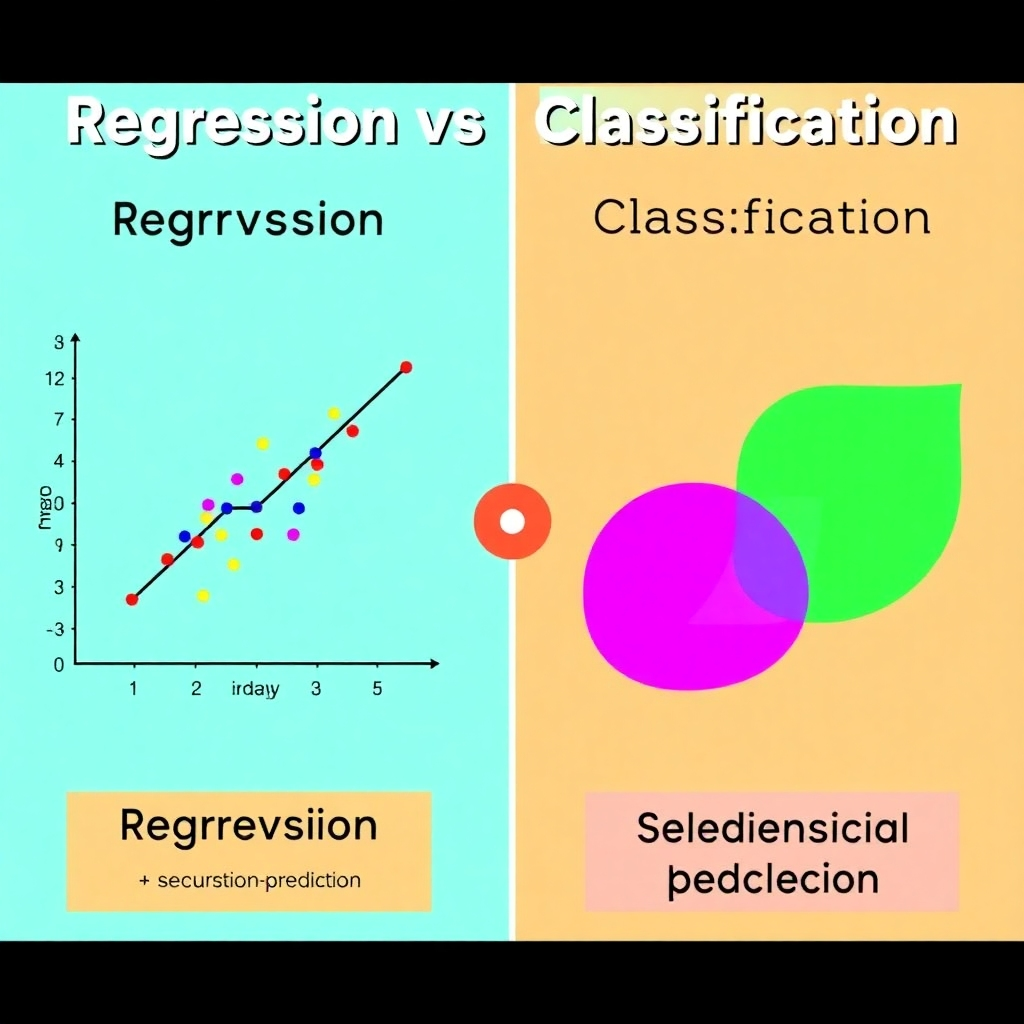
A vibrant, stylized infographic contrasting regression and classification. One side could feature a scatter plot with a regression line fitting the data points, representing continuous prediction. The other side could display a decision boundary separating different classes in a two-dimensional space, visualizing categorical prediction.  Use clear labels and distinct color schemes to differentiate between both methods.

Regression and Classification

Supervised learning is broadly categorized into regression and classification. Regression predicts continuous values (like house prices), while classification predicts categorical values (like spam or not spam).
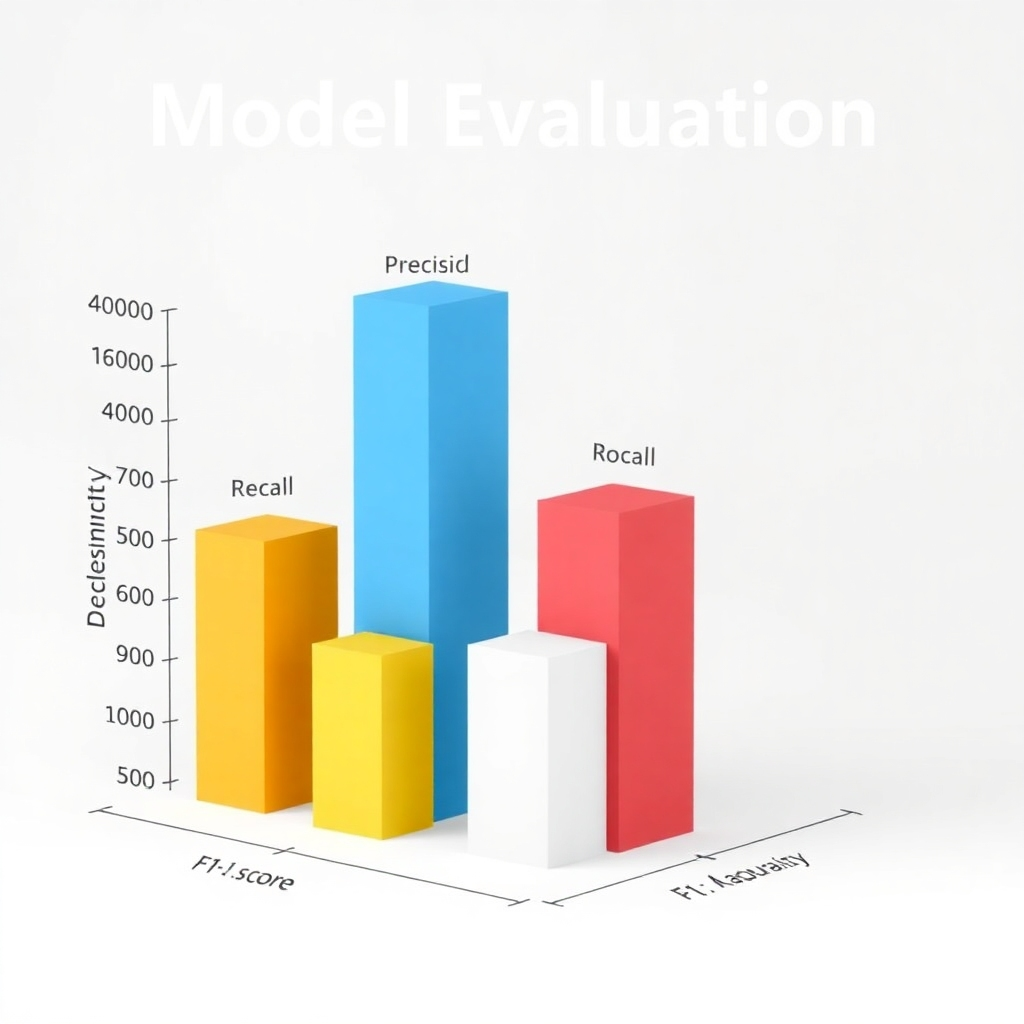
A 3D bar graph comparing several model evaluation metrics (accuracy, precision, recall, F1-score). The graph could highlight which metric holds more significance depending on the specific context of the application (e.g., medical diagnostics versus spam filtering).  The background could include subtle mathematical notations to add technical depth to the visualization.

Model Evaluation Metrics

Accuracy, precision, recall, and F1-score are essential metrics used to evaluate supervised learning models. Choosing the right metrics depends on the specific problem and the relative costs of different types of errors.
An abstract, stylized image illustrating an ensemble method. Multiple individual models (represented by different shapes or colors) are combined into a larger, more powerful model.  The visualization should convey the idea of aggregation and synergy, showcasing how the combined model outperforms individual models. Use a visually appealing color palette and dynamic composition.

Advanced Techniques

Ensemble methods, like bagging and boosting, combine multiple models to improve prediction accuracy and robustness. These techniques are powerful but require careful consideration of computational resources.

What is Supervised Learning? A Simple Introduction for Beginners
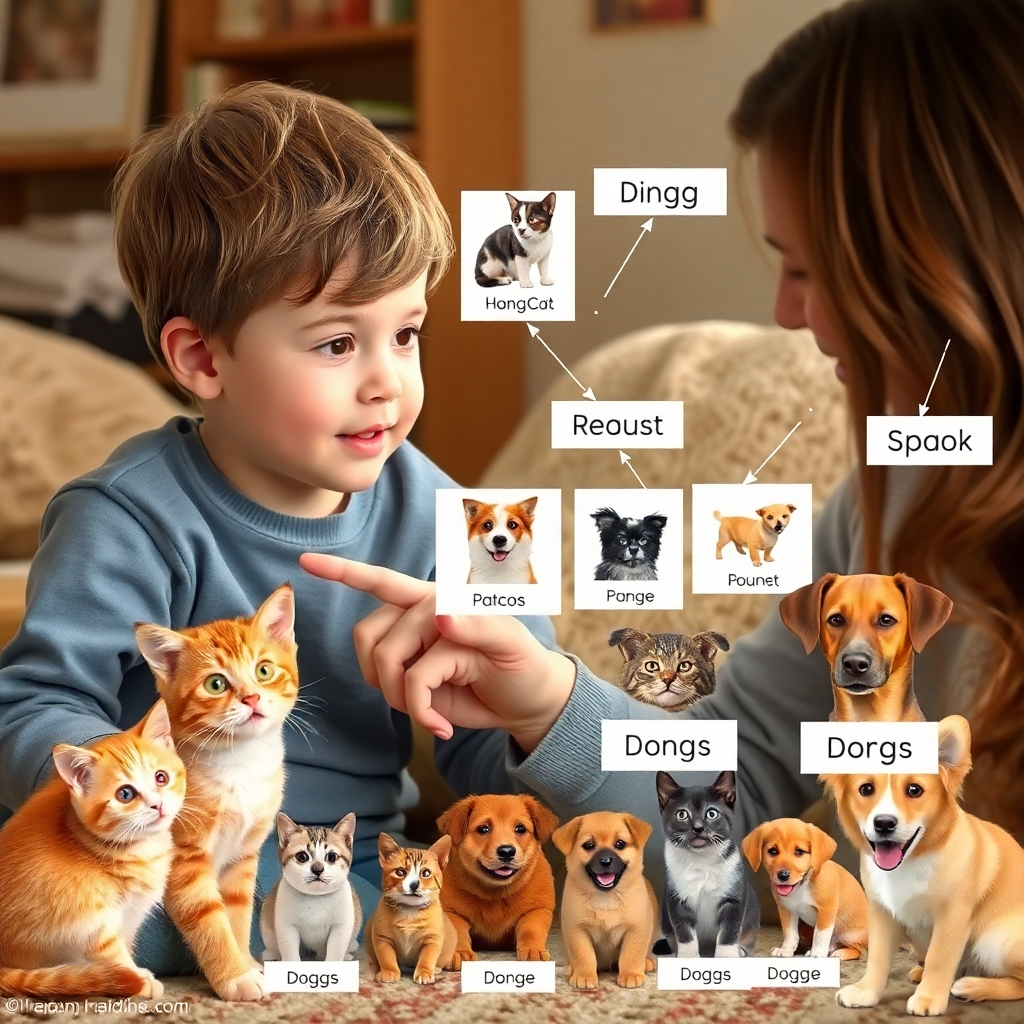
A photorealistic image depicting a child learning to identify cats and dogs, with a parent pointing to pictures and labeling them.  The child's expression should reflect curiosity and understanding. Include a variety of cat and dog breeds to showcase the diversity of examples required for effective learning. The setting could be a cozy home environment.

Learning from Examples

Imagine teaching a child to identify cats and dogs. You'd show them many pictures, labeling each as either a cat or a dog. Supervised learning works similarly; it learns from labeled data.
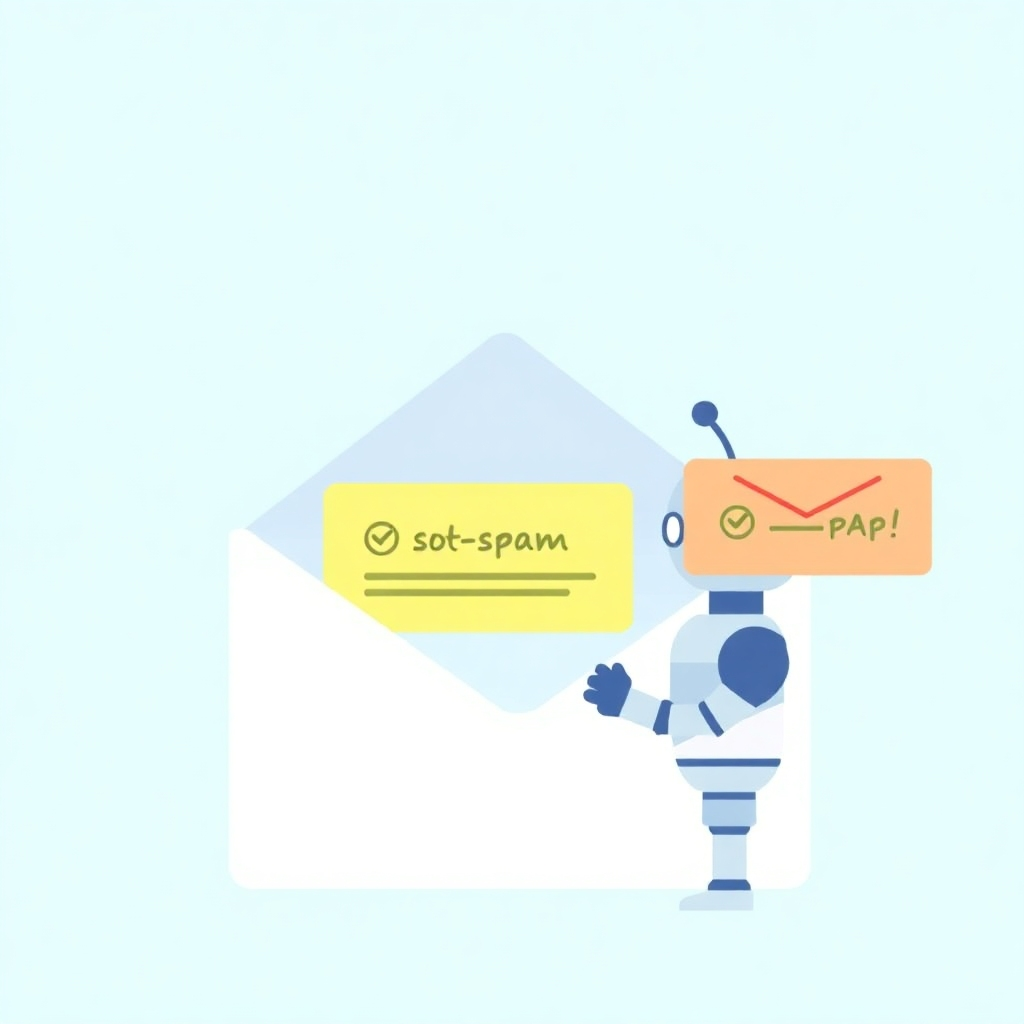
A stylized illustration of an email inbox with a machine learning model analyzing emails.  The model could be represented as a friendly robot character, highlighting its non-threatening nature. Emails correctly classified as spam or not-spam are highlighted using distinct colors. The visual should convey the ease and effectiveness of the prediction process.

Predicting Outcomes

Once trained on labeled data, a supervised learning model can predict the outcome for new, unseen data. For instance, it could predict whether a new email is spam or not.
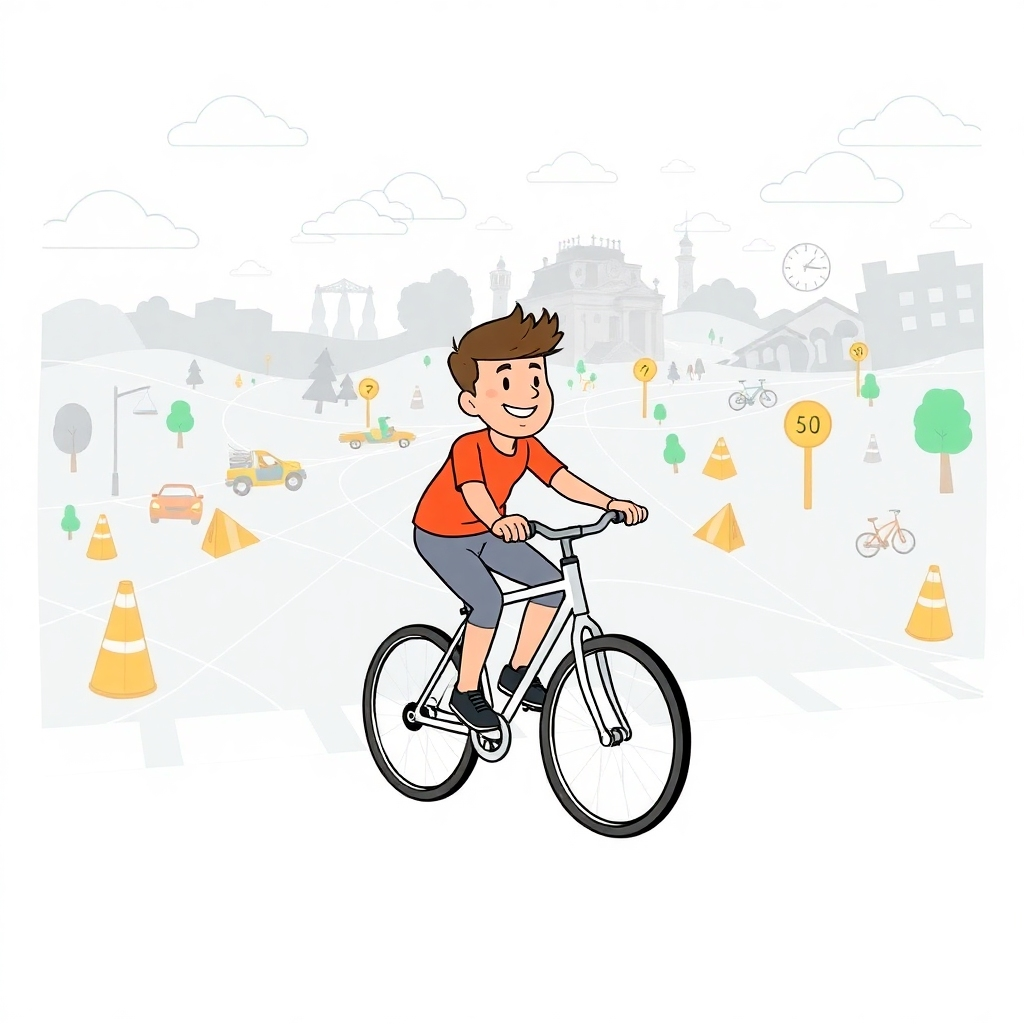
A cartoon-style illustration showing a person learning to ride a bike with guiding lines representing the training data and the trajectory representing the predictions. The background should include various obstacles and scenarios to symbolize the real-world complexity that the model learns to navigate. A smiling cyclist at the end should represent successful model training.

Simple Analogy

Think of it like learning to ride a bike. You learn by practicing and receiving feedback (labeled data). Over time, you get better at riding (improved predictions).