What is Generative AI and How Does it Work?
The Basics of Generative AI
Generative AI uses algorithms to create new content, ranging from text and images to music and code. It learns patterns from input data and generates similar, yet novel outputs.
Understanding the Process
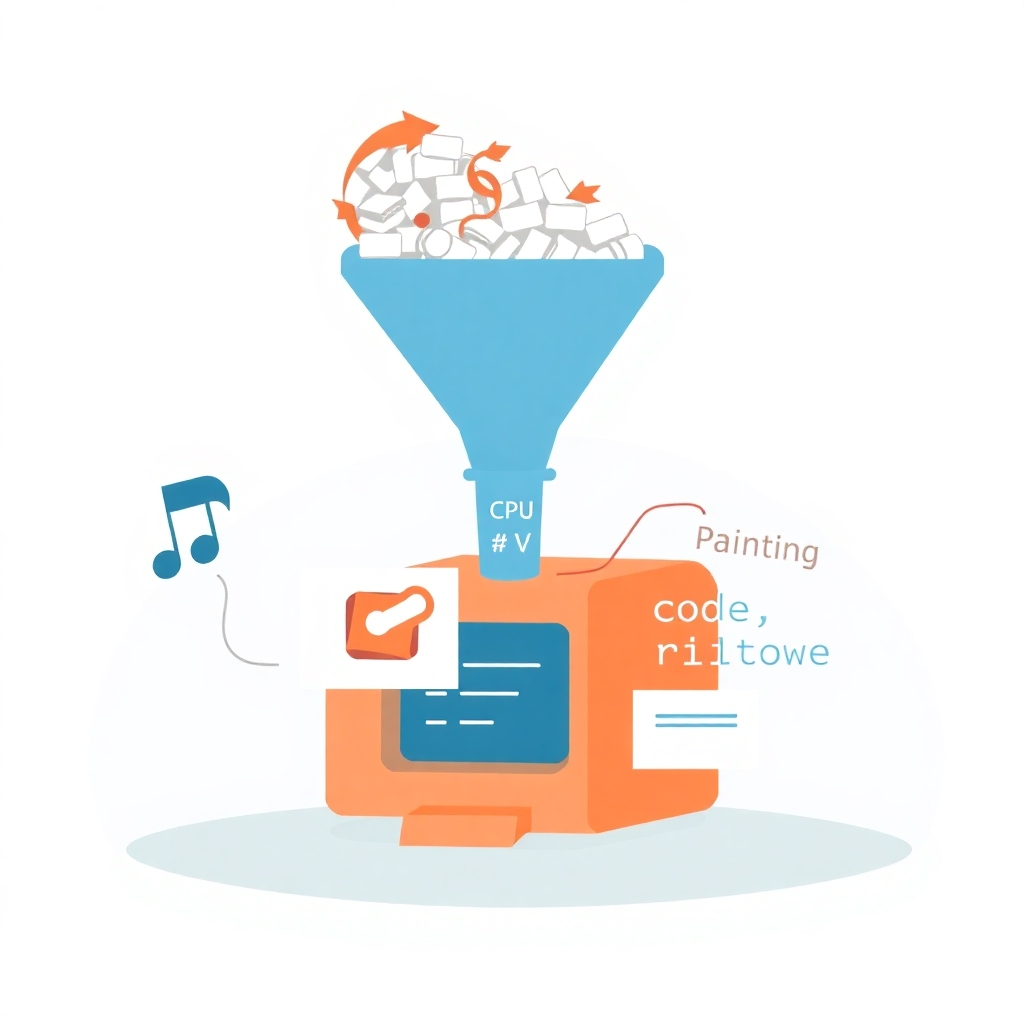
Generative AI models are trained on vast datasets. This training allows them to learn underlying patterns and structures, enabling the generation of new content that reflects these learned patterns.
Examples and Applications
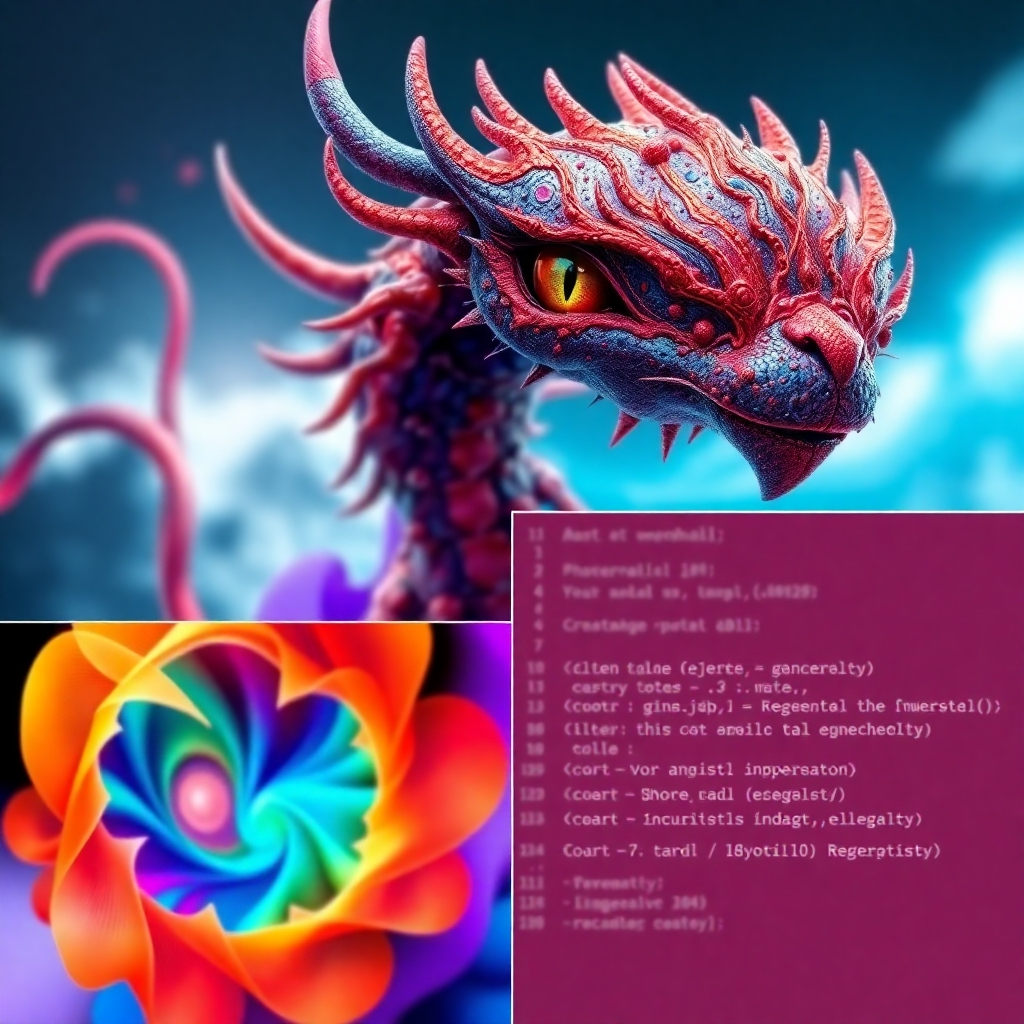
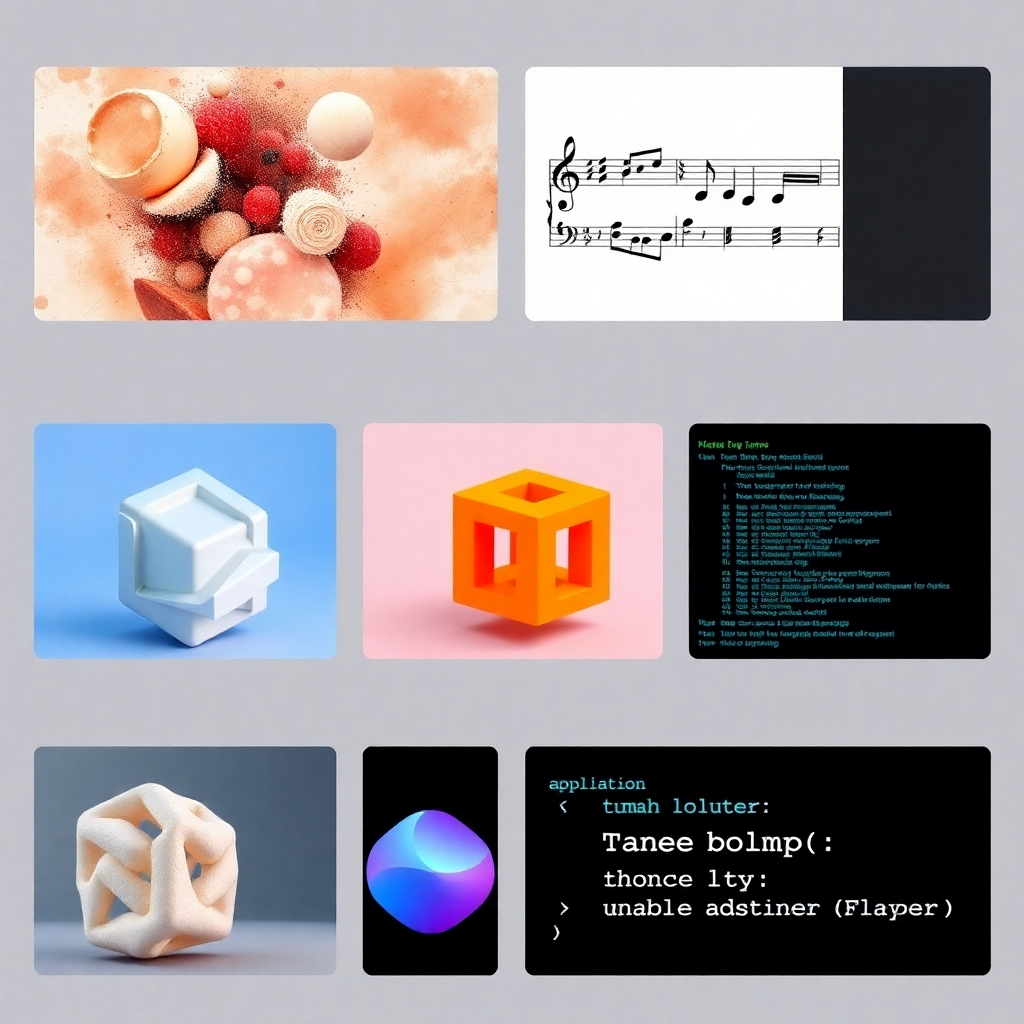
From creating realistic images and writing compelling stories to composing music and generating code, generative AI is transforming various industries and creative fields.
Generative AI: A Beginner's Guide
Demystifying Generative AI
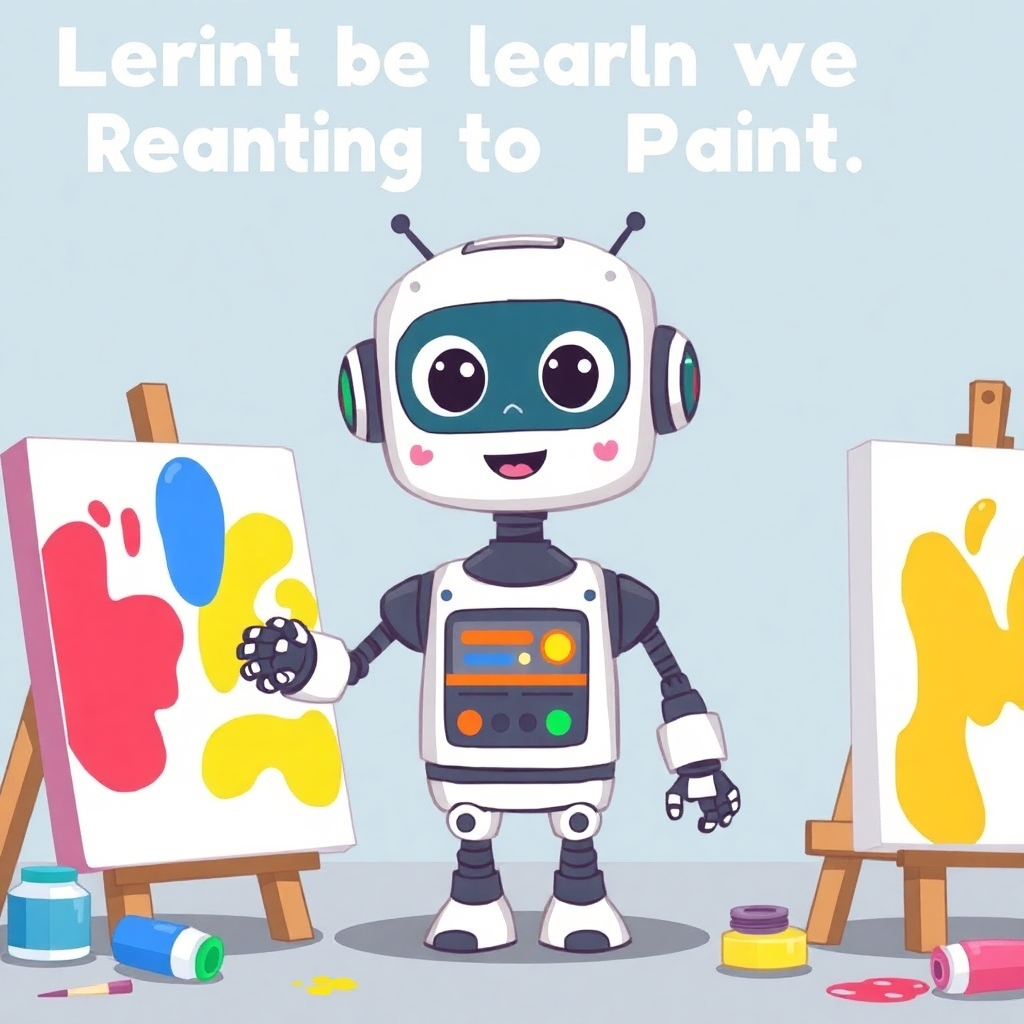
Generative AI might sound complicated, but at its core, it's about teaching machines to create things. Think of it as advanced pattern recognition with a creative twist.
Key Concepts Explained
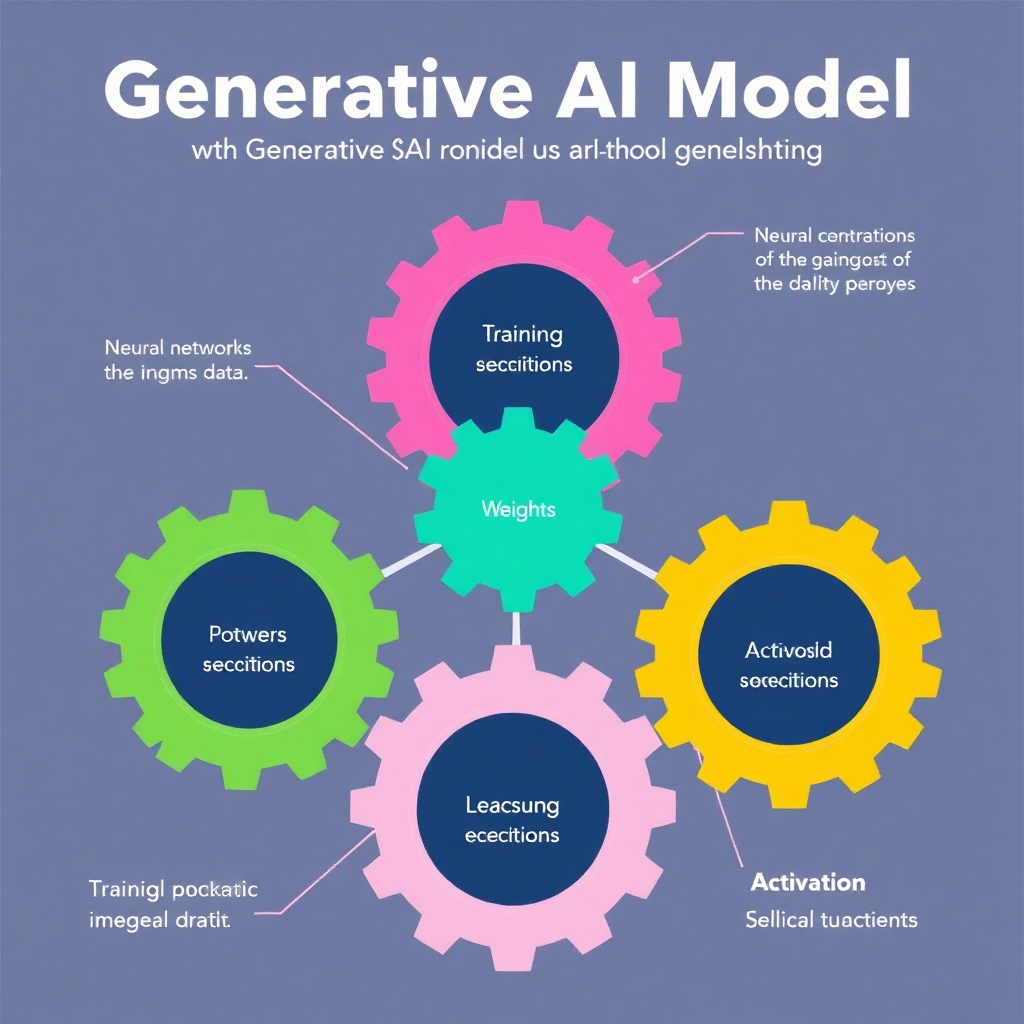
Explore core concepts like neural networks, deep learning, and different generative models such as GANs and VAEs. Understand how these components work together to create.
Practical Applications
Discover how generative AI is used in diverse fields, such as art, design, music, and even scientific research, showcasing real-world examples.
Understanding Generative AI: Applications and Implications

AI's Creative Potential
Generative AI is not just about automation; it unlocks new avenues for creativity and innovation, allowing humans to collaborate with machines to produce novel works.
Ethical Considerations
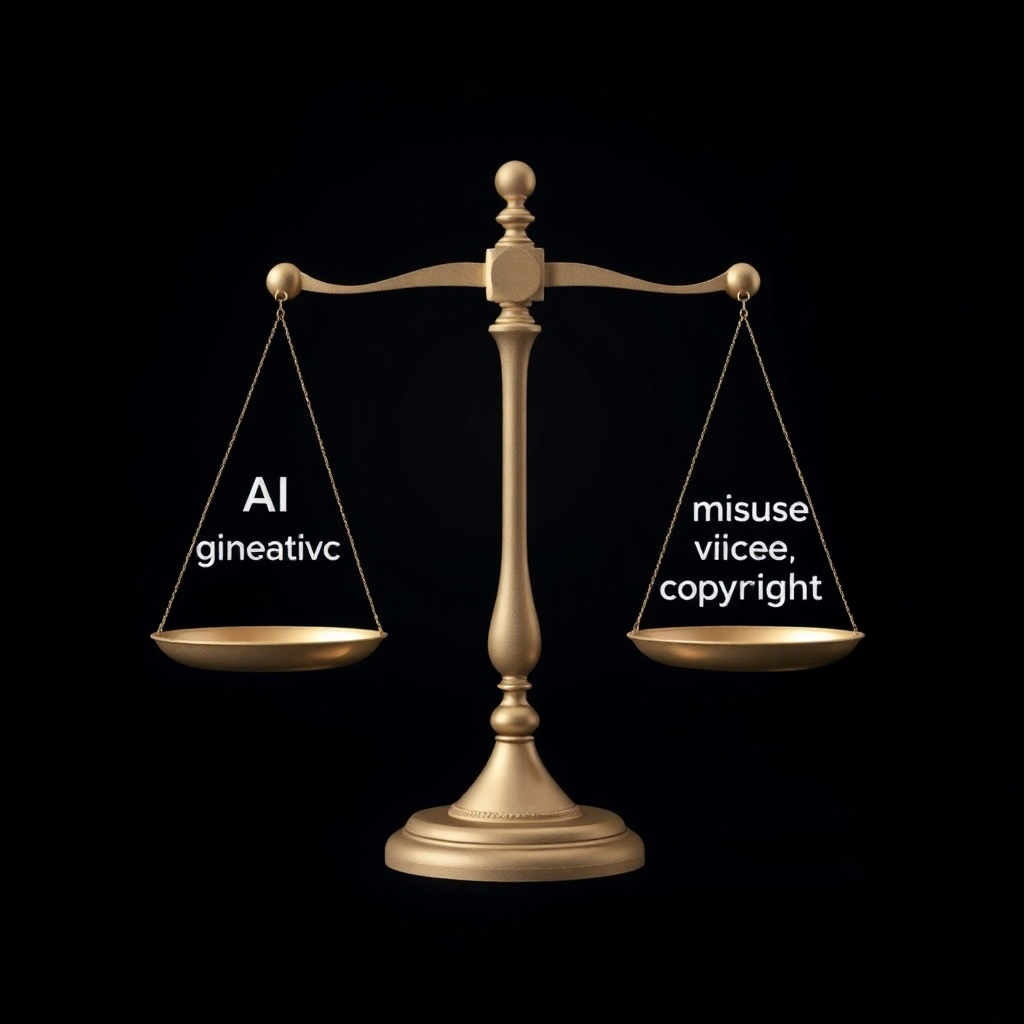
As generative AI advances, important ethical considerations arise, such as issues of copyright, bias, and the potential for misuse.

The Future of Generative AI
The field of generative AI is rapidly evolving. New models and applications are constantly emerging, promising even greater creative potential and transformative capabilities.