Discriminative vs. Generative Models: A Comprehensive Comparison

Defining Discriminative Models
Discriminative models learn the boundary between classes. They directly map inputs to outputs, focusing on prediction accuracy.

Understanding Generative Models
Generative models learn the underlying data distribution to generate new samples. They focus on modeling the probability distribution of the data.
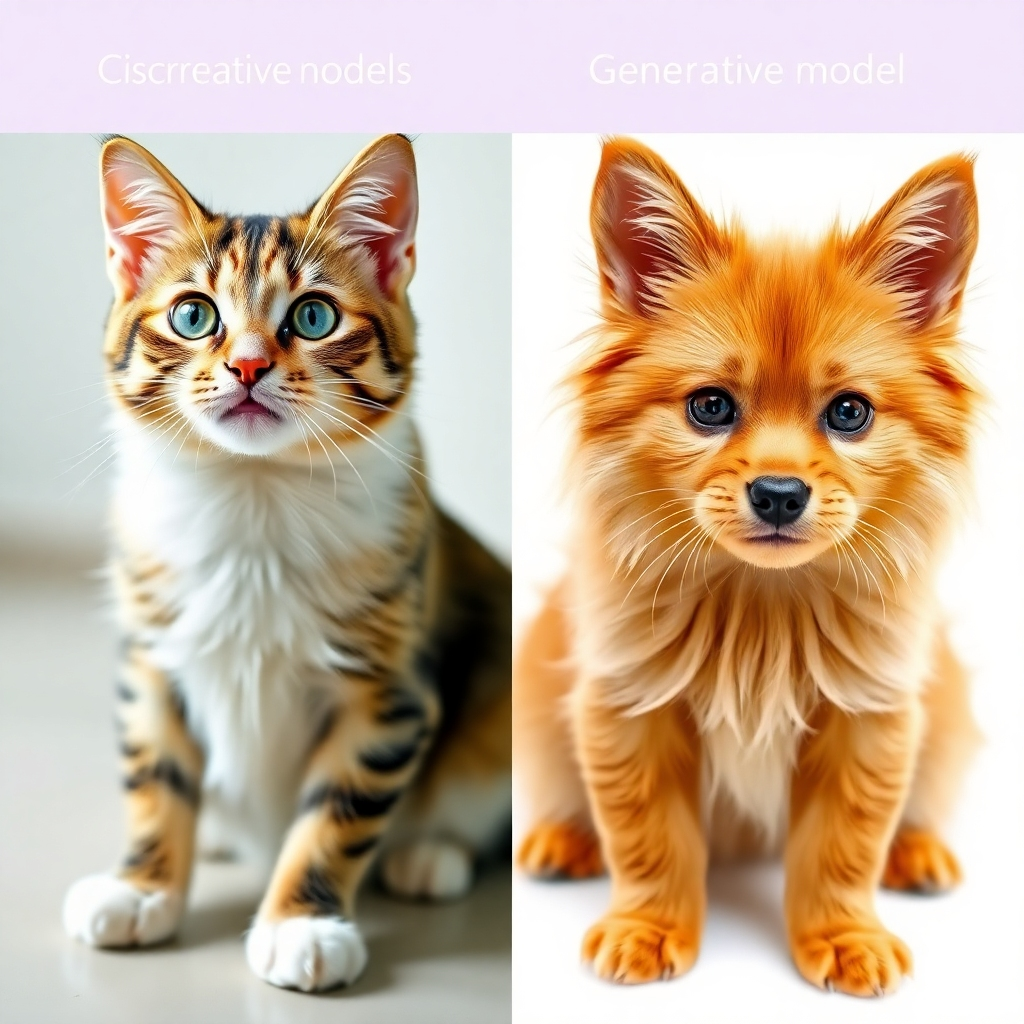
Key Differences and Applications
Discriminative models excel at classification, while generative models are useful for data generation and anomaly detection. The choice depends on the specific application.
Understanding Discriminative and Generative Models: Key Differences and Applications

Discriminative Modeling in Practice
Discriminative models are widely used in tasks like image classification and spam detection due to their efficiency and high accuracy.
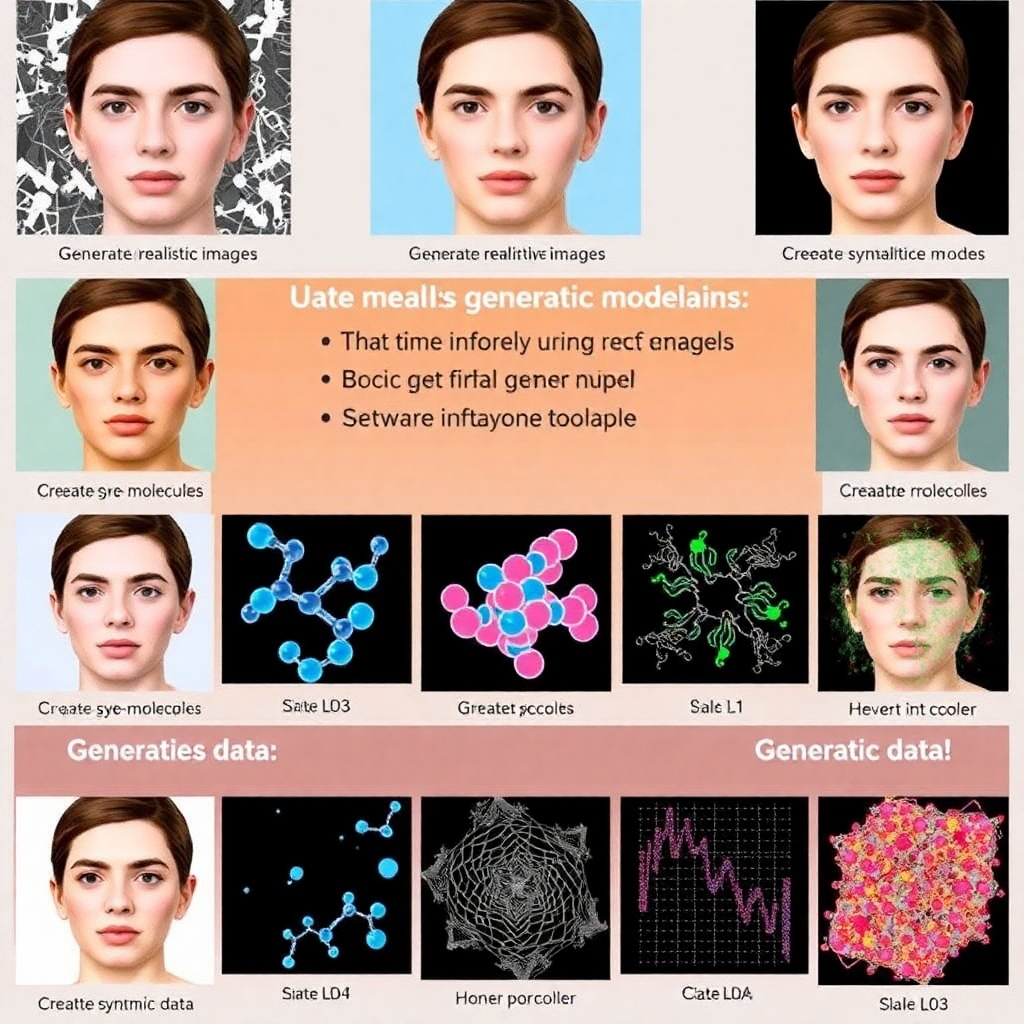
Generative Modeling Use Cases
Generative models find applications in tasks like image synthesis, drug discovery, and creating realistic synthetic data for training.
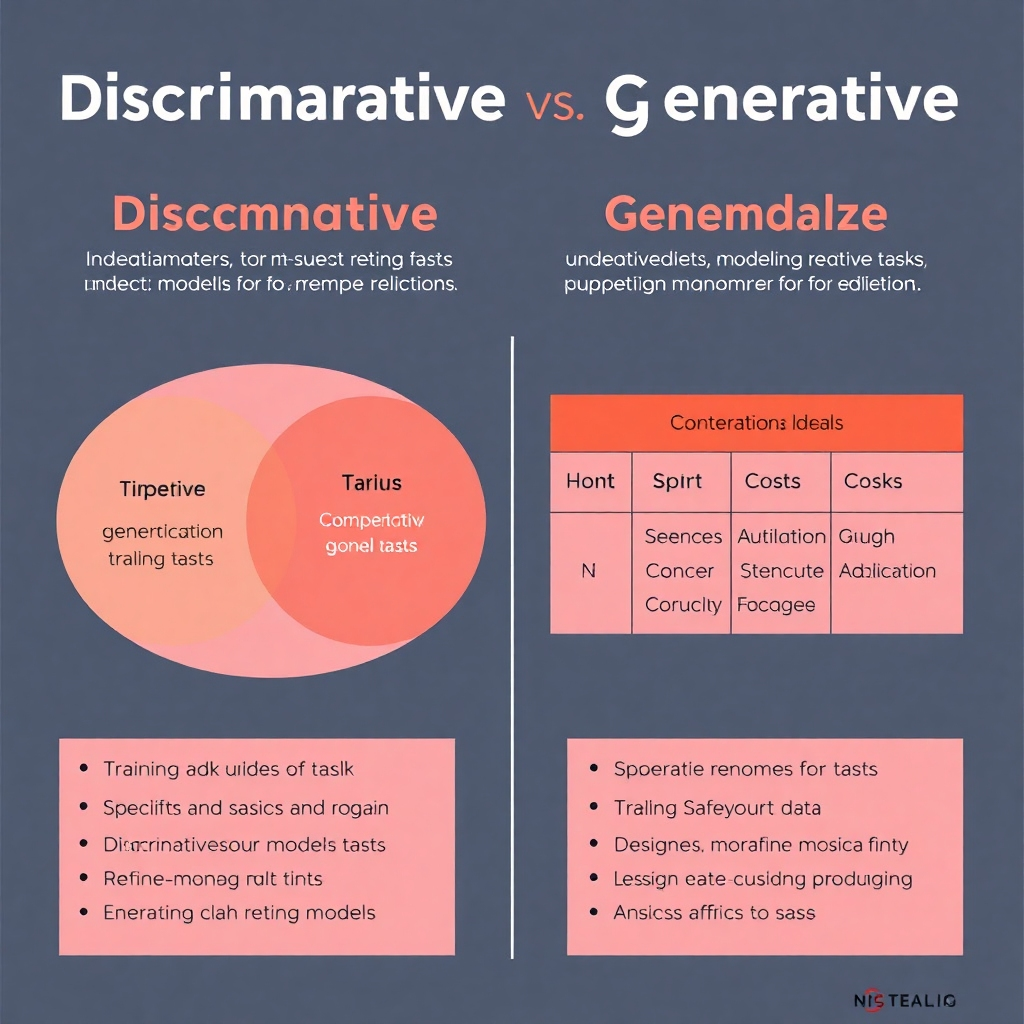
Choosing the Right Model
The choice between discriminative and generative models depends on factors such as the desired outcome, data availability, and computational resources.
Generative and Discriminative Models Explained: Strengths, Weaknesses, and Use Cases

Strengths of Discriminative Models
High accuracy, computational efficiency, and ease of implementation are key advantages of discriminative models.
Weaknesses of Generative Models
Generative models can be computationally expensive and challenging to train, requiring large datasets and significant computational resources.
Use Cases and Considerations
Consider the specific task, data availability, and computational resources when choosing between discriminative and generative models.