What is LLM responsibility
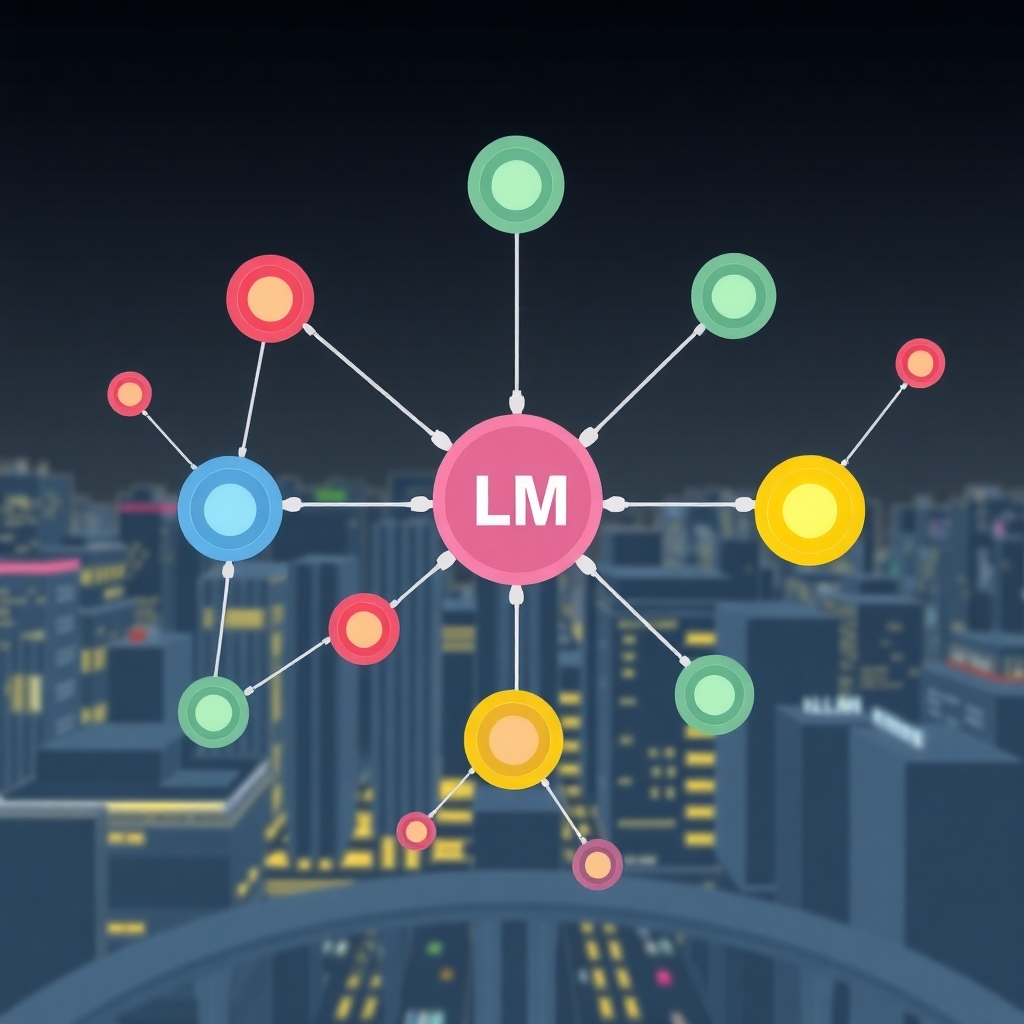
Accountability and Transparency
LLMs must be developed and deployed responsibly, with clear lines of accountability for their actions and outputs. Transparency in algorithms and data is crucial.

Bias Mitigation and Fairness
Addressing bias in training data and model outputs is critical. LLMs should be designed to promote fairness and avoid perpetuating harmful stereotypes.

Safety and Security
Mitigating risks associated with misuse, such as the generation of harmful content or malicious code, is paramount. Robust safety mechanisms are crucial.
Large Language Model Responsibilities
Large language models (LLMs) bear significant responsibility across various domains, demanding careful consideration of their ethical implications and potential societal impact. Their responsibilities can be broadly categorized into several key areas:
1. Accuracy and Truthfulness
LLMs are trained on vast datasets, but these datasets can contain biases, inaccuracies, and outdated information. A primary responsibility is to strive for accuracy in its responses, acknowledging limitations and uncertainties when necessary. This includes avoiding the generation of misinformation, propaganda, or content that could be harmful or misleading. Transparency about data sources and training methodologies is crucial for building trust and accountability. Furthermore, LLMs should be designed to detect and flag potentially false or misleading information, perhaps by incorporating fact-checking mechanisms or referencing reliable sources. The responsibility extends beyond simply providing accurate information to actively combating the spread of falsehoods and harmful narratives.
2. Bias Mitigation and Fairness
LLMs inherit biases present in their training data, potentially leading to discriminatory or unfair outputs. Mitigating these biases is a critical responsibility. This requires careful curation of training data, employing bias detection and mitigation techniques during model development, and ongoing monitoring for bias in generated text. The responsibility extends beyond technical solutions; it necessitates a commitment to understanding and addressing the societal implications of biased outputs, ensuring fairness and inclusivity in the applications of LLMs. This includes actively working towards representing diverse perspectives and avoiding perpetuation of harmful stereotypes.
3. Privacy and Security
LLMs often process sensitive information, raising significant privacy concerns. Protecting user data and ensuring responsible data handling are paramount responsibilities. This includes implementing robust security measures to prevent data breaches and unauthorized access, anonymizing data where possible, and complying with relevant data privacy regulations. Transparency regarding data usage and adherence to ethical guidelines are crucial for building user trust and maintaining data integrity. Furthermore, the potential for LLMs to be used for malicious purposes, such as generating deepfakes or phishing attacks, necessitates proactive security measures and responsible development practices.
4. Transparency and Explainability
Understanding how an LLM arrives at a particular output is crucial for building trust and accountability. While the inner workings of large neural networks are complex, striving for transparency and explainability is a vital responsibility. This may involve developing techniques for interpreting model decisions, providing insights into the factors influencing its outputs, and clearly communicating limitations and uncertainties. Transparency fosters trust and allows users to critically evaluate the information provided by the LLM. Explainability is also crucial for identifying and addressing potential biases or errors.
5. Preventing Malicious Use
LLMs can be misused for malicious purposes, including generating harmful content, spreading disinformation, or automating harmful activities. Developers and deployers of LLMs bear a responsibility to mitigate these risks. This includes implementing safeguards to prevent the generation of harmful content, collaborating with researchers and policymakers to identify and address potential misuse, and developing mechanisms for detecting and responding to malicious activities. The responsibility extends to educating users about potential risks and encouraging responsible use of the technology.
6. Environmental Impact
Training and deploying LLMs requires significant computational resources, leading to substantial energy consumption and carbon emissions. Minimizing the environmental impact of LLMs is a growing responsibility. This involves exploring energy-efficient training techniques, utilizing renewable energy sources, and optimizing model architectures to reduce computational demands. Transparency about the environmental footprint of LLMs is crucial for promoting responsible development and deployment practices.
7. Accountability and Oversight
Establishing mechanisms for accountability and oversight is crucial for ensuring responsible development and deployment of LLMs. This involves developing clear guidelines and standards for ethical LLM development and use, establishing processes for addressing complaints and resolving disputes, and fostering collaboration between researchers, developers, policymakers, and the public to ensure responsible innovation. The responsibility extends to actively participating in discussions about the societal implications of LLMs and contributing to the development of effective regulatory frameworks.
These responsibilities are interconnected and require a holistic approach. Failing to address these responsibilities could lead to significant negative consequences, including the spread of misinformation, the perpetuation of biases, privacy violations, and the exacerbation of existing societal inequalities. A commitment to ethical development, deployment, and use of LLMs is crucial for harnessing their potential benefits while mitigating their risks. The ongoing evolution of LLMs necessitates a continuous reassessment and refinement of these responsibilities.