Key Moments in Large Language Model Development
The Genesis of LLMs
Early neural networks laid the groundwork, paving the path for more sophisticated models capable of understanding and generating human language.
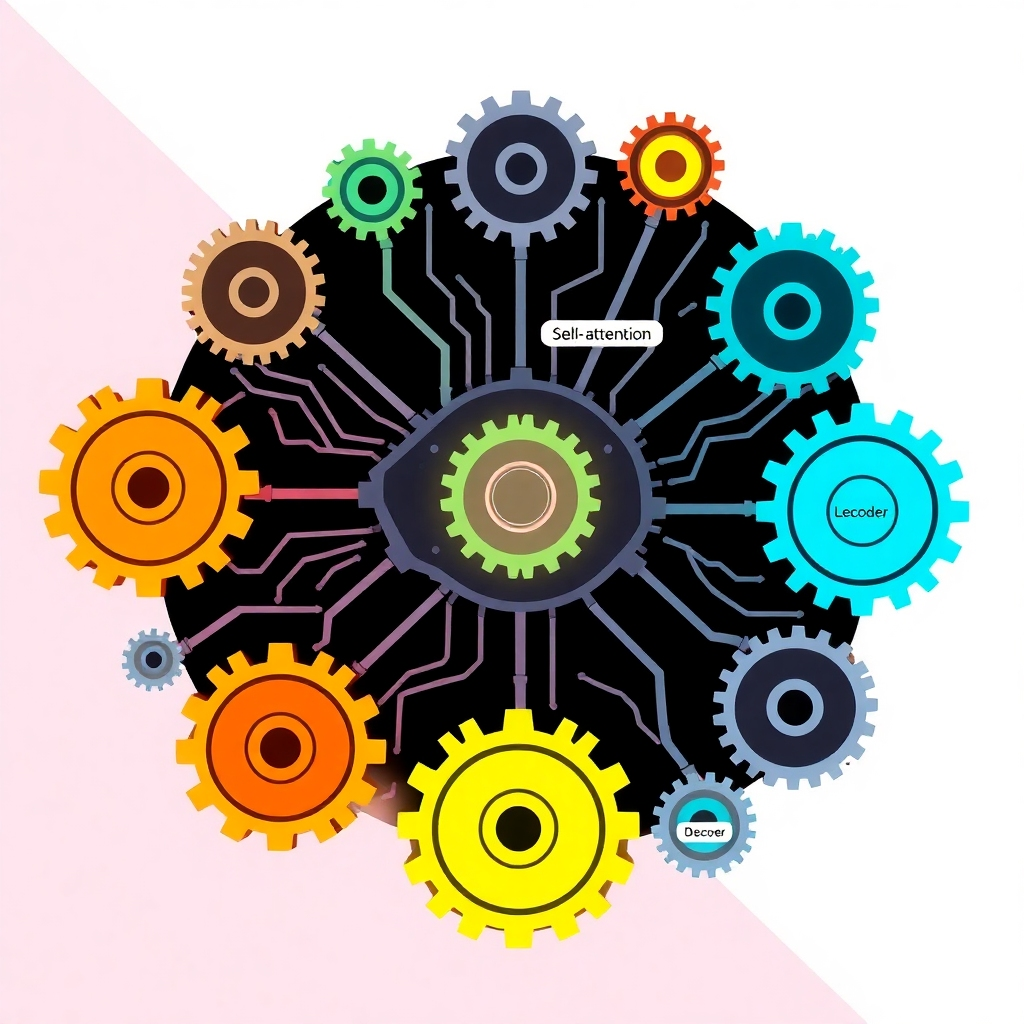
The Transformer Architecture Emerges
The invention of the transformer architecture revolutionized LLMs, enabling them to process longer sequences of text and significantly improving their performance.

LLMs Achieve Human-Level Performance
Recent advancements have pushed LLMs to achieve human-level performance on various benchmarks, marking a significant milestone in AI development.
A History of LLMs: From Early Models to Today's Advancements

Early Attempts at Natural Language Processing
Early models struggled with complexity and lacked the power to truly understand context, demonstrating limitations that fueled further research and development.

The Rise of Deep Learning
The introduction of deep learning techniques significantly boosted LLM capabilities, enabling the handling of intricate linguistic structures and complexities.
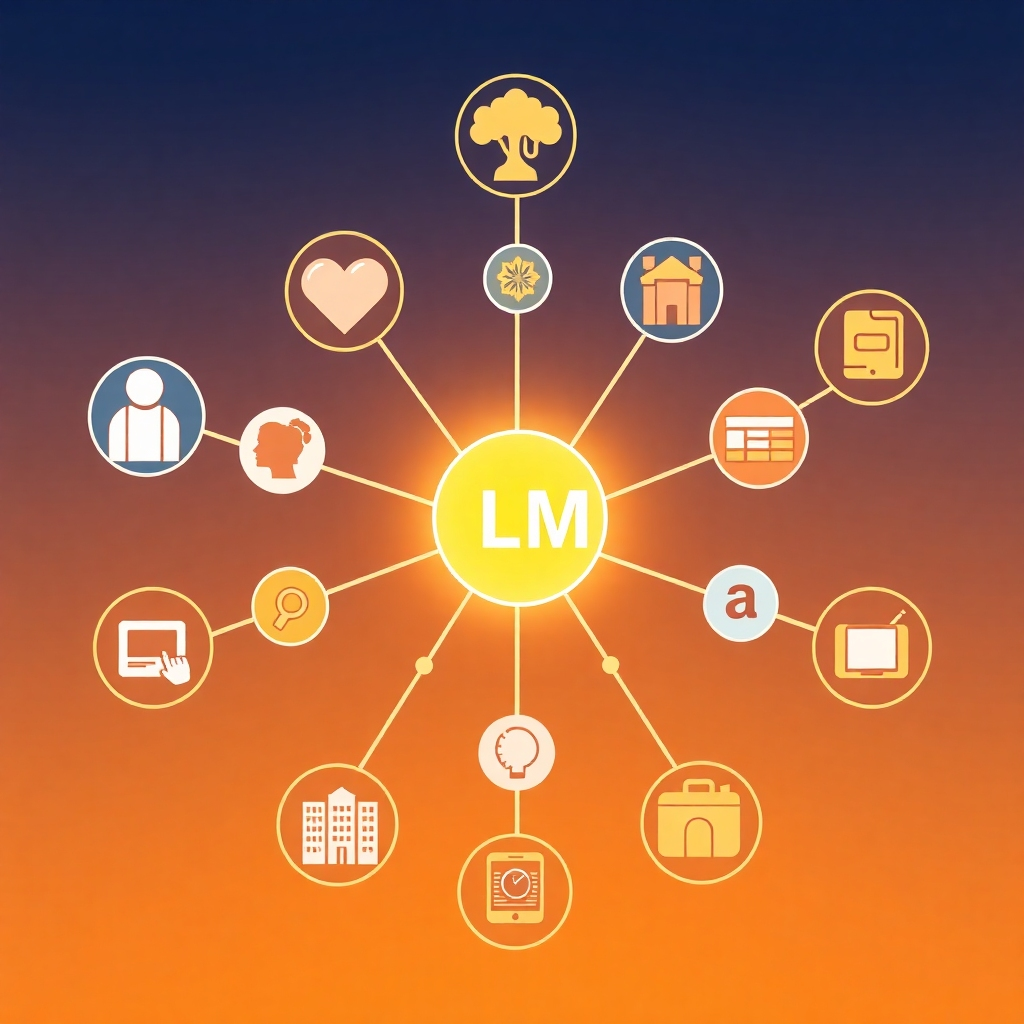
The Current Landscape of LLMs
Today, LLMs are widely used across numerous applications, from chatbots to machine translation, showcasing its transformative impact on multiple domains.
LLM Milestones: A Timeline of Breakthroughs and Innovations
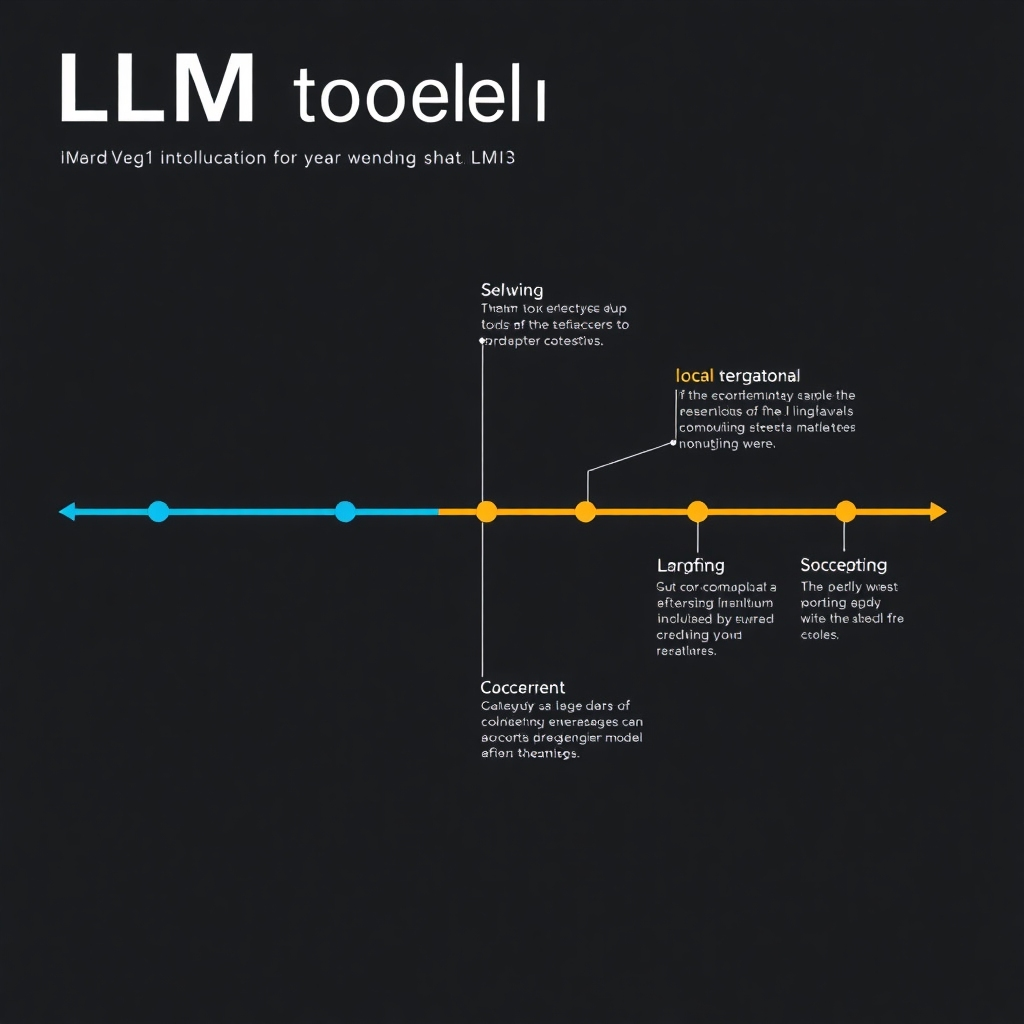
The Birth of Word2Vec
Word2Vec, a groundbreaking model, revolutionized word embeddings, laying the foundation for the advanced capabilities of current LLMs.

The Transformer's Impact
The Transformer architecture drastically improved the ability to process sequences, leading to better understanding and generation of more nuanced language.
Recent Breakthroughs and the Future
Current breakthroughs continually push the boundaries of LLM capabilities, offering exciting prospects for future innovation and applications.
LLM Milestones: A Timeline of Breakthroughs and Innovations
The Birth of Word2Vec
Word2Vec, a groundbreaking model, revolutionized word embeddings, laying the foundation for the advanced capabilities of current LLMs.
The Transformer's Impact
The Transformer architecture drastically improved the ability to process sequences, leading to better understanding and generation of more nuanced language.
Recent Breakthroughs and the Future
Current breakthroughs continually push the boundaries of LLM capabilities, offering exciting prospects for future innovation and applications.